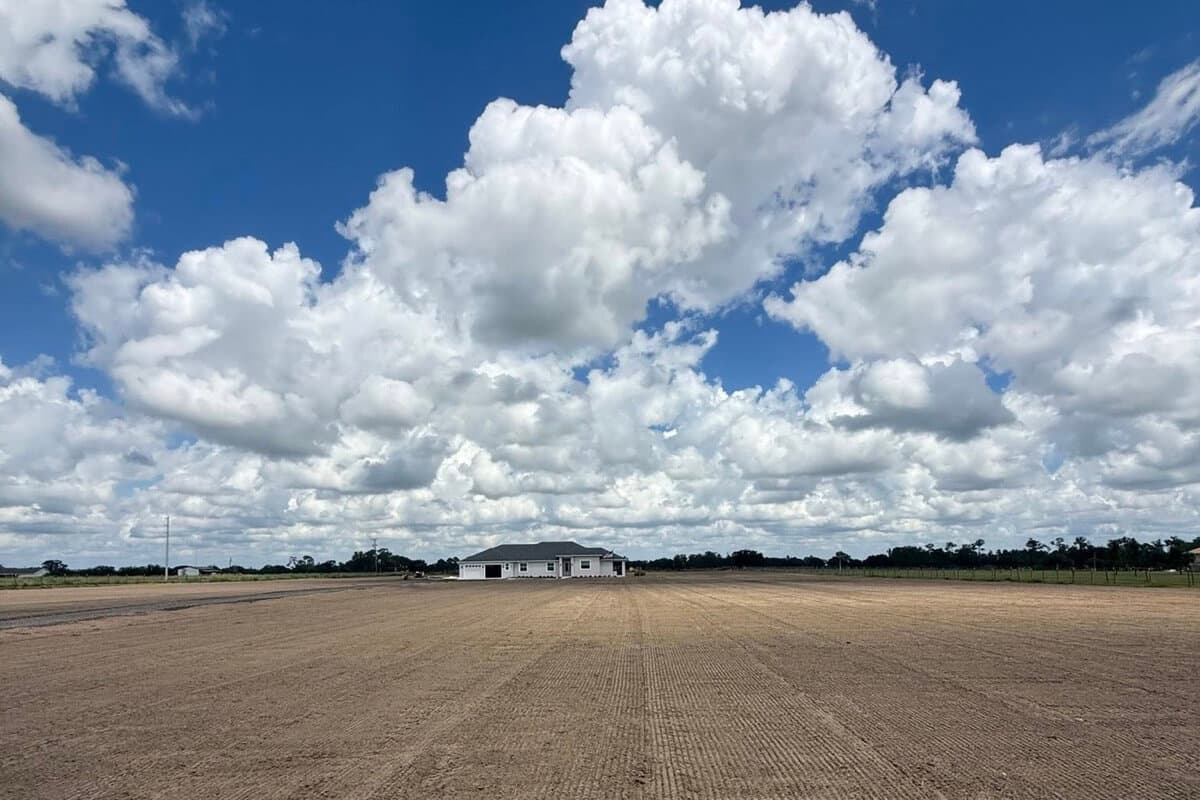
Preparing overgrown land in Florida starts with knowing what you want the property to become. Clearing for a fence line is not the same as preparing land for farming, and a future homesite needs different work than a trail or pasture. The right plan turns raw, neglected land into usable property — without wasting effort or causing drainage and access problems later.
What looks like a wooded lot, thick pasture, or neglected piece of property may actually have a lot of usable potential underneath. In Central Florida, properties throughout Hillsborough County, Pasco County, Polk County, and surrounding areas often deal with thick brush, palmettos, pine trees, oak trees, sandy soil, clay pockets, low wet areas, drainage concerns, and fast regrowth. A good land clearing plan should not just make the property look cleaner — it should make the land more usable, accessible, and ready for what comes next.
Start With the Real Goal for the Property
Before any equipment shows up, the first question should be: what are you trying to use the land for? That answer changes the entire approach.
| If Your Goal Is… | The Land Usually Needs… | What You Want to Avoid |
|---|---|---|
| Installing fencing | Cleared fence lines, exposed corners, gate access, boundary visibility | Clearing the wrong line or leaving the fence crew with no room to work |
| Farming or pasture use | Brush removal, selective clearing, stump management, access lanes, drainage review | Leaving hazards, stumps, or rough ground that makes maintenance harder |
| Livestock use | Safe access, shade planning, fence line prep, removal of dangerous debris | Removing all shade or leaving sharp stumps and hidden debris |
| Building a home or shop | Full or selective clearing, stump removal, driveway access, grading, drainage planning | Clearing without considering the building pad, driveway, or water flow |
| Commercial site prep | Larger-scale clearing, access roads, grading, debris handling | Treating it like a simple brush clearing job |
| General property cleanup | Forestry mulching, trail clearing, underbrush removal, selective tree work | Over-clearing areas that could provide privacy, shade, or erosion protection |
This is where a lot of projects go wrong. The land gets cleared first, and the real planning happens later. That can lead to extra costs, rework, drainage issues, or areas that still are not usable. The smarter approach is to decide what the land needs to become — then clear and prep it around that plan.
Preparing Land for Fencing
If you are installing a fence, you may not need the entire property cleared. In many cases, the priority is creating a clean, accessible path where the fence will go. That may include clearing brush, vines, small trees, fallen limbs, palmettos, and old debris along the proposed fence line. It may also mean opening up corners, future gate locations, and enough room for equipment or installers to work.
| Item to Confirm | Why It Matters |
|---|---|
| Property lines | Old fences, tree lines, and trails may not match the legal boundary |
| Fence purpose | Livestock, privacy, security, pets, and agriculture may require different prep |
| Gate locations | Gates need clear access for trucks, trailers, tractors, or animals |
| Maintenance access | A fence line cleared too narrow can quickly become overgrown again |
| Wet or low areas | Soft ground can make fence installation and long-term maintenance harder |
| Tree conflicts | Trees on the fence line may need to be removed or worked around |
For Florida properties, it is also smart to think about regrowth. Brush, vines, and palmettos can come back quickly. Clearing a slightly wider maintenance path may make the fence easier to inspect and maintain over time. A good contractor can help determine whether you need a basic fence line clearing, wider access lanes, forestry mulching, or heavier clearing in certain areas.
Preparing Land for Farming or Pasture
Preparing land for farming or livestock is about more than making it look open. The land has to be functional and safe. If the goal is pasture, livestock, crops, or agricultural use, you need to think about how people, animals, and equipment will move across the property after the clearing is done.
| Question | Why It Matters |
|---|---|
| Will animals be using the property? | Stumps, holes, wire, and debris can become hazards |
| Will tractors or equipment need access? | Trails, turnarounds, and gate openings may need to be wider |
| Are there areas that stay wet? | Livestock and equipment can quickly damage soft ground |
| Do you need shade trees preserved? | Removing every tree can make the land less comfortable and less useful |
| Will the land be planted, grazed, or maintained? | Each use may require a different level of clearing and grading |
| Is the property full of palmettos or thick brush? | Forestry mulching may be useful, but additional work may still be needed |
For farming and pasture use, selective clearing is often better than clearing everything. You may want to remove thick underbrush while keeping certain shade trees, natural buffers, or wind protection. Forestry mulching can also be a strong option for opening up overgrown acreage — it grinds brush, vines, and smaller vegetation into mulch onsite, which helps create cleaner access without hauling everything away.
However, mulching is not always the final step. If the land needs to be smooth enough for equipment, livestock, crops, or future pasture improvement, you may also need stump removal, grading, mowing, or additional soil prep.
Preparing Land for Construction
Construction prep usually requires the most planning. If you are preparing land for a house, shop, barn, driveway, parking area, or commercial building, the clearing work should be done with the future layout in mind. This is not just about removing trees — it is about preparing the site so the next phase can happen safely and efficiently.
| Step | Purpose |
|---|---|
| Clearing the building footprint | Opens the area where the structure will go |
| Removing stumps and roots | Prevents problems with excavation, grading, and future settling |
| Creating equipment access | Allows trucks, trailers, machines, and crews to reach the site |
| Planning drainage | Helps prevent standing water around the future structure |
| Rough grading | Shapes the site for access, water flow, and future work |
| Hauling or managing debris | Keeps the site clean and workable |
| Preparing driveway or entrance areas | Supports construction traffic and future access |
| Evaluating fill needs | Helps raise or stabilize low areas if needed |
In Florida, drainage is one of the biggest things to consider before construction. Heavy rain can expose problems quickly. A low area that seems minor during dry weather may become a major issue once vegetation is removed and the rainy season hits.
A contractor with site prep experience should look at the land and think through where the driveway may go, where the building pad may sit, how water currently moves across the property, whether low areas need fill, whether ditches and swales should remain open, where debris can be staged, and how trucks and equipment will access the site. Clearing land for construction should never be treated like a simple cleanup job — it should be treated as the first step in building something solid.
Choosing the Right Clearing Method
Not every property needs full land clearing. Sometimes the best result comes from using a combination of methods.
| Clearing Method | Best For | Things to Know |
|---|---|---|
| Forestry mulching | Overgrown brush, trails, fence lines, general cleanup | Leaves mulch onsite and usually causes less soil disturbance |
| Selective clearing | Preserving trees, opening specific areas, maintaining privacy or shade | Requires clear planning so the operator knows what stays and what goes |
| Full land clearing | Homesites, building pads, driveways, commercial prep, heavy site work | Often requires stump removal, debris handling, and grading |
| Stump removal | Construction areas, fence paths, pasture hazards, future grading zones | Important where roots and stumps could interfere with future use |
| Precision grading | Driveways, building pads, low areas, pasture smoothing | Helps shape the land for drainage, access, and usability |
| Debris hauling | Clean finished sites, construction areas, properties with limited space | Usually increases cost but leaves the property cleaner |
The right contractor should not recommend the same method for every property. They should explain which approach makes the most sense based on your goals, budget, access, and land conditions.
Florida-Specific Things to Watch For
Preparing overgrown land in Florida comes with its own set of challenges.
| Florida Land Condition | Why It Matters |
|---|---|
| Sandy soil | Can shift, wash out, or need stabilization depending on future use |
| Clay pockets | Can hold water and create soft or muddy areas |
| Palmettos | Thick root systems can be difficult to clear and maintain |
| Heavy summer rain | Poor drainage can become obvious after clearing |
| Low wet areas | May affect fencing, livestock, driveways, or building plans |
| Oak and pine trees | Some may be worth preserving, while others may conflict with construction |
| Fast vegetation regrowth | Fence lines and trails may need wider clearing or ongoing maintenance |
| Hidden debris | Old rural lots may contain wire, concrete, trash, stumps, or abandoned materials |
This is why a site visit matters. A property in Lakeland, Tampa, or Plant City may look straightforward from satellite images or road frontage, but the actual ground conditions can tell a different story.
What to Do Before the Contractor Arrives
Before scheduling land prep work, there are a few things property owners can do to help the project go smoother.
| Task | Why It Helps |
|---|---|
| Know your end goal | Helps the contractor recommend the right clearing method |
| Find your survey | Helps confirm boundaries and avoid clearing the wrong area |
| Mark important trees or areas | Prevents accidental removal of trees or features you want to keep |
| Identify future gates or driveways | Helps plan access before clearing begins |
| Take photos and videos | Gives the contractor a better starting point before the site visit |
| Check for local restrictions | Helps avoid issues with tree removal, wetlands, or permitting |
| Mention septic, wells, or utilities | Reduces the risk of damaging hidden systems |
| Decide how clean you want the site | Debris handling affects price, timeline, and final appearance |
A good contractor will still evaluate the property, but having this information ready makes the estimate more accurate and the plan more useful.
Scope Matters More Than Acreage
Many property owners ask, "How much does it cost to clear an acre?" That is a fair question, but acreage alone does not tell the full story. One acre of light brush with easy access may be a simple job. One acre of thick palmettos, large trees, stumps, wet areas, and limited access is a very different project.
| Cost Factor | Why It Changes the Price |
|---|---|
| Vegetation density | Thick brush and mature trees take more time and equipment |
| Tree size | Larger trees require more care, processing, and cleanup |
| Stump removal | Adds labor, equipment time, and disposal considerations |
| Debris handling | Mulching, piling, hauling, and burning all affect cost differently |
| Site access | Hard-to-reach areas may require extra prep or smaller equipment |
| Ground conditions | Soft, wet, or uneven ground can slow the project down |
| Final use | Construction prep usually requires more work than basic cleanup |
| Grading needs | Shaping land for drainage or building adds another phase |
| Permitting concerns | Some projects may require extra coordination before work begins |
This is why detailed quotes are important. The cheapest number may not include stump removal, hauling, grading, cleanup, or access improvements. When comparing contractors, compare the scope — not just the price.
A Simple Decision Guide
Here is a practical way to think through your project before calling a contractor.
| Your Situation | You May Need |
|---|---|
| "I just need a fence installed." | Fence line clearing, boundary marking, gate access |
| "I want to use the land for animals." | Selective clearing, hazard removal, shade planning, fence access |
| "I bought overgrown acreage and want to clean it up." | Forestry mulching, trail clearing, brush removal, selective clearing |
| "I'm building a house or shop." | Full clearing, stump removal, driveway access, grading, drainage planning |
| "I need trucks or equipment to access the property." | Entrance clearing, access road prep, grading, stabilization |
| "The land holds water." | Drainage review, grading, possible fill, careful clearing |
| "I want to keep some trees." | Selective clearing with clearly marked trees and areas |
| "I want the site clean when finished." | Debris hauling, stump grinding/removal, final cleanup |
Questions to Ask Before Hiring
Before choosing a contractor, ask questions that reveal how they think through the project.
| Question | What You Are Looking For |
|---|---|
| What clearing method do you recommend for my goal? | They should explain the reasoning, not just give a generic answer |
| Will this include stumps? | Stump removal is often separate from basic clearing |
| What happens to the debris? | Make sure you understand whether it is mulched, piled, burned, or hauled |
| Do you see any drainage concerns? | A good contractor should notice low areas and water flow issues |
| Is access a problem? | Equipment needs a safe way in and out |
| What should be cleared first? | This shows whether they have a plan |
| Are there areas you recommend keeping? | Experienced contractors often know when not to over-clear |
| What could change the price? | Hidden debris, wet ground, unclear scope, or extra hauling can affect cost |
| Do you handle grading or site prep too? | Helpful if the land is being prepared for building or long-term use |
The goal is to hire someone who can help you make good decisions, not just operate equipment.
Why Local Experience Matters
Central Florida land can be tricky. A contractor working in Hillsborough, Pasco, Polk, and surrounding counties should understand local soil, vegetation, weather, and drainage patterns. That experience matters because land prep is not only about removing what is in the way — it is about knowing how the property will behave after it is cleared.
A local contractor can help you avoid common problems like clearing too much too soon, damaging soft or wet areas, ignoring drainage, leaving stumps in future building zones, creating access problems for future work, removing trees that could have provided shade or privacy, underestimating how fast vegetation grows back, or failing to plan for grading or debris handling. The best land prep work should leave the property cleaner, safer, more accessible, and better prepared for its next use.
Turning Overgrown Land Into Usable Property
Preparing overgrown land for fencing, farming, or construction starts with a clear plan. The right approach depends on what you want the property to become. Fence lines need access and accurate boundaries. Farming and livestock areas need safe, usable ground. Construction sites need clearing, stump removal, access, grading, and drainage planning.
In Florida, these decisions matter even more because land conditions can change quickly. Sandy soil, low wet areas, heavy rain, palmettos, trees, drainage issues, and fast regrowth can all affect how the work should be done.
If you are preparing land in Hillsborough County, Pasco County, Polk County, or the surrounding Central Florida area, our team can walk the property with you, talk through your goals, and recommend the right plan for your project. Whether you need fence line clearing, forestry mulching, full land clearing, stump removal, grading, driveway prep, excavation, or construction site prep, we can help you turn overgrown land into usable property. Contact us today to schedule a site visit or request a quote for your land preparation project.