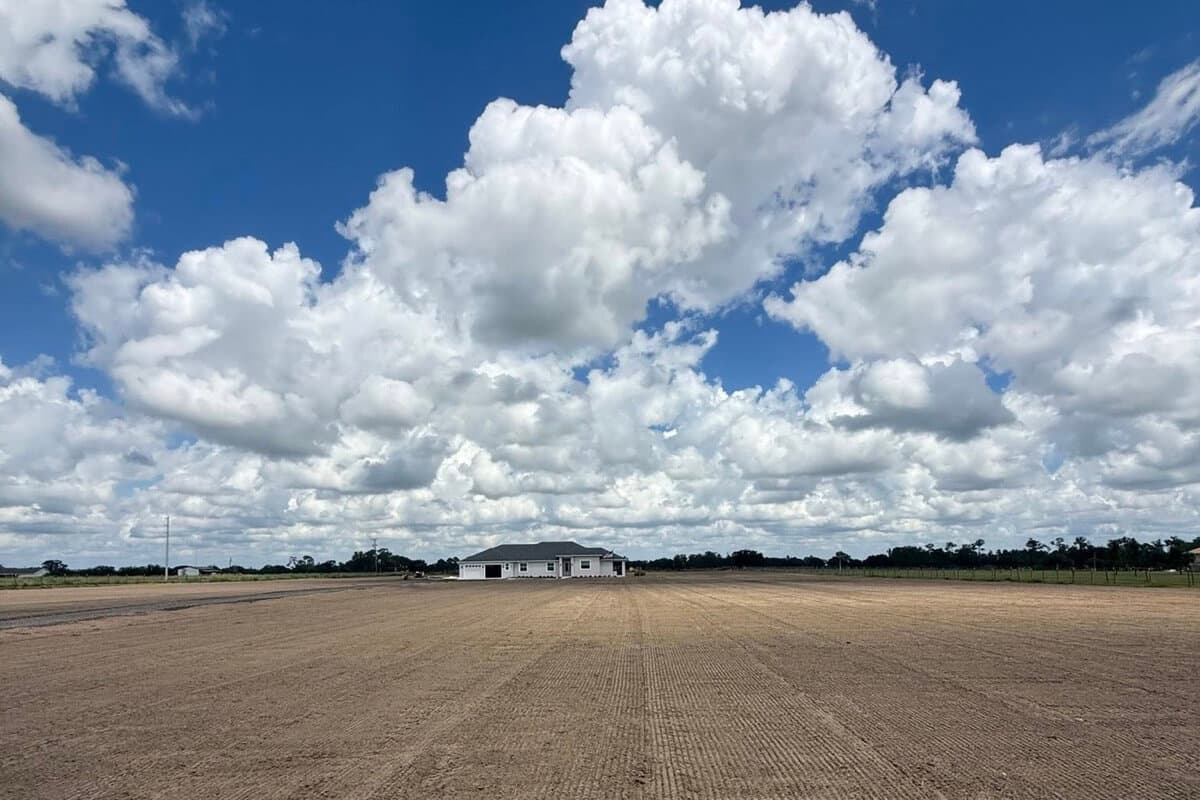
Hiring a land clearing contractor is not just about finding someone with big equipment. The right contractor helps you clear your property safely, protect the parts of the land worth keeping, avoid unnecessary damage, and prepare the site properly for what comes next.
Whether you are clearing land for a new home, driveway, shop, pasture, fence line, commercial site, or future development, the decisions you make before the work starts can have a major impact on the final result. In Central Florida, this is especially important. Properties throughout Hillsborough County, Pasco County, Polk County, and the surrounding areas can have a wide mix of conditions — sandy soil, clay pockets, low wet areas, heavy brush, palmettos, oaks, pine trees, drainage concerns, access issues, and sometimes protected trees or wetlands nearby.
Before you hire a land clearing contractor, take time to understand your property, your goals, and the questions you should be asking. A good contractor should not just show up and start pushing everything over. They should help you think through the best way to clear the land based on what you are trying to accomplish.
Start With the End Goal for the Property
Before calling a contractor, get clear on what you want the property to become after the clearing is complete.
Are you preparing for a home build? Opening up a driveway? Clearing a homesite? Removing overgrowth so the land is usable again? Preparing for grading, drainage, fencing, or future construction? The purpose of the project matters because not every clearing job should be handled the same way.
For example, clearing land for a future building pad is different from cleaning up acreage for better access. A homesite may need stumps removed, roots cleared, debris hauled away, and the area prepared for grading. A recreational or agricultural property may only need selective clearing, forestry mulching, trail creation, or underbrush removal.
A good contractor should ask questions like:
- What are you planning to do with the property?
- Are you building on it now or preparing it for later?
- Do you want everything cleared or only certain areas opened up?
- Are there trees you want to keep?
- Will the site need grading, drainage work, or driveway access after clearing?
- Do you need debris removed, burned, mulched, or left onsite?
The more specific you are about the end goal, the better the contractor can recommend the right approach.
Walk the Property Before You Ask for a Price
One of the biggest mistakes property owners make is trying to get an accurate price without giving the contractor enough information about the land.
Land clearing pricing depends on more than just acreage. Two one-acre lots can be completely different jobs. A lightly wooded acre with easy access is not the same as an acre full of thick palmettos, large trees, vines, stumps, trash, wet spots, and limited equipment access.
Before asking for a quote, walk the property if it is safe to do so. Take pictures and videos of the areas you want cleared. Pay attention to:
- How thick the vegetation is
- Whether there are large trees or mostly brush
- Whether the ground is dry, soft, uneven, or low-lying
- Whether equipment can easily access the area
- Where the property lines are
- Whether there are fences, structures, utilities, wells, septic systems, or power lines nearby
- Whether you want debris hauled away or processed onsite
If the property is too overgrown to walk, that is helpful information too. It tells the contractor that visibility may be limited and that extra care may be needed before heavy clearing begins. Photos and videos can help start the conversation, but for most serious projects, an in-person site visit is still the best way to provide an accurate estimate.
Know Your Property Lines
Before land clearing begins, you need a clear understanding of your property boundaries. Clearing across a property line can create serious problems with neighbors, county officials, or future development plans. Even if a fence exists, it may not represent the true legal boundary. In some cases, old fence lines, tree lines, or trails can be misleading.
If you are unsure where your property lines are, review your survey or consider having the boundaries marked before the contractor starts work. For larger parcels or heavily wooded lots, marking corners and key boundary lines can prevent mistakes.
A good contractor can work from marked boundaries, but they are not a substitute for a surveyor. The property owner should be responsible for confirming where the legal boundaries are before clearing begins. This is especially important in rural areas of Pasco, Polk, and Hillsborough County where parcels may have older fence lines, irregular shapes, or wooded borders that are hard to visually confirm.
Check for Permits, Protected Trees, Wetlands, and Local Restrictions
Not every land clearing project requires the same type of approval, but you should never assume you can clear everything without checking. Rules can vary depending on the county, city, zoning, property type, tree size, tree species, development plans, and whether wetlands or conservation areas are involved.
In many cases, removing small brush or maintaining an already improved property may be simple. But clearing large trees, preparing land for development, working near wetlands, or removing protected trees can involve additional review.
Before hiring a contractor, ask:
- Does this property fall inside city limits or unincorporated county land?
- Are there protected trees on the property?
- Are there wetlands, drainage easements, or conservation areas nearby?
- Is this clearing tied to a building permit or future development?
- Will tree removal, stump removal, grading, or fill work require approval?
- Are there HOA or deed restrictions?
In Central Florida, this matters because many properties have low areas, drainage swales, wetlands, or mature native trees that may need to be handled carefully. A reputable land clearing contractor should be familiar with these concerns and should be willing to talk through them with you. They may not be the permitting authority, but they should know when a project may require additional review before work begins.
Decide Between Full Clearing, Selective Clearing, and Forestry Mulching
Not every property needs to be completely stripped down. In fact, clearing too aggressively can sometimes create more problems than it solves. Before hiring a contractor, ask what clearing method makes the most sense for your goals.
Full land clearing
Full clearing is usually used when an area needs to be opened up for construction, driveways, building pads, parking areas, or major site work. This may involve removing trees, brush, stumps, roots, and debris so the land can be graded or built on. This is a more aggressive approach and may require hauling, burning, grinding, or disposal depending on the project.
Selective clearing
Selective clearing is a more controlled approach. Instead of removing everything, the contractor clears specific trees, brush, trails, or sections while preserving certain trees or natural features. This can be a smart option for residential lots, acreage, future homesites, and properties where the owner wants better access without losing all of the natural character.
Forestry mulching
Forestry mulching is often a great option for overgrown land, trails, fence lines, hunting property, agricultural access, and general property cleanup. Instead of hauling away brush and small trees, the vegetation is mulched onsite and spread across the ground. This can help reduce erosion, improve access, and leave the property looking cleaner without disturbing the soil as heavily as traditional clearing.
However, forestry mulching is not always the right choice if you need stumps removed, a building pad prepared, or the area fully graded for construction. The best contractor will help you choose the right method instead of forcing every project into the same approach.
Ask What Happens to the Debris
Debris handling is one of the biggest factors in land clearing cost and project planning. When trees, brush, stumps, and vegetation are removed, that material has to go somewhere. Depending on the project, it may be:
- Mulched onsite
- Piled in a designated area
- Hauled away
- Burned where allowed
- Chipped
- Buried only if legally appropriate and suitable for the project
- Separated for logs, brush, and stumps
Each option affects the price, timeline, and final appearance of the property. Hauling debris away can create a very clean finished product, but it often costs more because of labor, equipment, trucking, and disposal fees. Mulching onsite may be more efficient and cost-effective, but it leaves organic material on the ground. Burning may be an option in some rural areas, but it depends on local rules, site conditions, weather, and safety considerations.
Before you approve a quote, make sure you understand exactly what is included. A low price may only include cutting and piling, while another quote may include clearing, stump removal, rough grading, and hauling debris away. Those are very different scopes of work.
Think About Access for Equipment
Land clearing equipment needs room to work. Before hiring a contractor, consider how machines will enter and move around the property. If there is no driveway, gate, culvert, or stable access point, that may need to be addressed before the main clearing work can happen.
Access issues can include:
- Narrow gates
- Soft shoulders
- Drainage ditches
- Low tree limbs
- Fences
- Wet ground
- Tight residential lots
- Overhead utilities
- Neighboring structures
- No established entrance from the road
In some cases, the first step may be creating an access path or temporary entrance before larger clearing can begin. This is common on raw land in Central Florida, where lots may be heavily wooded or covered in thick vegetation from the road inward. A contractor should evaluate whether the property can be accessed safely without damaging nearby areas.
Consider Drainage Before the Land Is Cleared
Drainage is one of the most overlooked parts of land clearing. Once vegetation is removed, water may move differently across the property. Areas that looked dry before clearing may hold water after the ground is opened up. Low spots may become more noticeable. Existing swales, ditches, and natural drainage paths may need to be protected.
This is especially important in Florida, where heavy rain can quickly expose grading and drainage problems. Before clearing begins, ask the contractor:
- Are there low areas we need to watch?
- Will clearing affect how water moves across the site?
- Should any ditches, swales, or drainage paths be preserved?
- Will the site need grading after clearing?
- Is fill dirt needed?
- Could clearing make erosion worse in certain areas?
Land clearing and site prep go hand in hand. If your goal is to build, park equipment, install a driveway, or improve usability, clearing alone may not be the final step. You may also need precision land grading, compaction, drainage improvements, or a stable base. A contractor with site prep experience can help you think beyond just removing trees and brush.
Be Honest About What You Want to Keep
Before the machines show up, decide what trees, areas, or features you want to preserve. If there are oak trees, privacy buffers, shade trees, fence lines, trails, or natural areas you want to keep, mark them clearly and discuss them during the estimate. Do not assume the operator will know what matters to you.
For example, you may want the front of the property opened up but still want a tree buffer along the road. You may want a homesite cleared but keep several large shade trees around the future yard. You may want trails cut through the property without disturbing the entire parcel.
A good contractor can work around your goals, but those goals need to be clear before work begins. This is also where experience matters. An experienced land clearing contractor can often look at a property and recommend what should stay, what should go, and what may cause problems later.
Compare Quotes by Scope, Not Just Price
When comparing land clearing quotes, do not only look at the final number. Look at what each contractor is actually including.
One quote may include:
- Clearing brush
- Cutting small trees
- Mulching material onsite
Another quote may include:
- Clearing trees and brush
- Removing stumps
- Hauling debris
- Rough grading
- Creating access
- Cleaning up the site when finished
Those are not the same service. Before choosing the lowest bid, ask:
- What areas are included?
- Are stumps included?
- Is debris removal included?
- Is grading included?
- Are permits or inspections needed?
- How will the contractor protect areas that should not be disturbed?
- What equipment will be used?
- How long will the project take?
- What could change the price?
A trustworthy contractor should be clear about the scope. They should also be honest if there are unknowns, such as hidden debris, wet ground, buried materials, limited access, or unclear property boundaries. The cheapest quote is not always the best value if it leaves you with piles of debris, torn-up soil, drainage problems, or extra work that should have been discussed upfront.
Make Sure the Contractor Understands Central Florida Land Conditions
Land clearing in Central Florida is not the same as clearing land in every other part of the country. The contractor should understand the type of conditions commonly found in Hillsborough, Pasco, Polk, and surrounding counties. That may include:
- Sandy soils that shift easily
- Clay areas that hold water
- Low spots and seasonal wet areas
- Palmetto-heavy undergrowth
- Thick vines and invasive growth
- Oak, pine, and mixed hardwood areas
- Drainage ditches and roadside swales
- Rural lots with limited access
- Acreage that has not been maintained in years
- Land being prepared for homes, shops, driveways, barns, or commercial use
A local contractor will know how to approach these conditions without creating unnecessary damage. Using the wrong equipment in soft areas can leave deep ruts. Clearing too aggressively can remove helpful vegetation that was controlling erosion. Ignoring drainage can create problems once the rainy season hits. Leaving stumps or roots in the wrong area can cause issues later when grading or building starts.
Local experience matters because land clearing is not just about what the property looks like on day one. It is about how the property performs after the work is done — whether you are in Lakeland, Tampa, Plant City, or anywhere else across the region.
Ask About Site Prep After Clearing
If your project involves building, development, or long-term use of the land, ask what needs to happen after the clearing is complete. Depending on the project, you may need:
- Stump removal
- Root raking
- Rough grading
- Finish grading
- Driveway or access road preparation
- Culvert installation
- Fill dirt
- Drainage correction
- Building pad prep
- Erosion control
- Soil stabilization
- Demolition or debris removal
This is where hiring a contractor who also understands excavation and site prep can be extremely helpful. A basic clearing company may be able to remove brush, but a site prep contractor can look at the bigger picture. They can help prepare the land for what comes next, whether that is a home, shop, driveway, parking area, fence installation, or commercial project.
What a Good Land Clearing Contractor Should Bring to the Table
A good land clearing contractor should do more than give you a number and a start date. They should be able to walk the property, listen to your goals, explain your options, and point out concerns you may not have noticed.
They should help you understand:
- The best clearing method for your property
- What areas should be cleared first
- Whether trees, stumps, or roots need to be removed
- How debris should be handled
- Whether drainage or grading may be needed
- Whether access is a concern
- Whether permitting or local restrictions should be reviewed
- What the finished site will look like
- What additional work may be needed later
The best contractors are not just equipment operators. They are problem solvers. They understand how to turn raw, overgrown, or unusable land into a cleaner, safer, more functional property.
Final Thoughts Before You Hire
Before hiring a land clearing contractor, take the time to understand your property, define your goals, and ask the right questions. Do not rush into the cheapest quote without understanding what is included. Do not assume every contractor will approach the job the same way. And do not clear more than necessary without thinking through drainage, access, future construction, and the long-term use of the land.
A well-planned clearing project can save you time, money, and headaches later. If you are preparing land in Hillsborough County, Pasco County, Polk County, or the surrounding Central Florida area, working with a contractor who understands local land conditions can make a major difference.
Whether you need full land clearing, selective clearing, forestry mulching, excavation, grading, site prep, driveway access, or help deciding the best approach for your property, our team can walk the site with you, explain your options, and provide a clear quote based on your goals. If you are not sure where to start, that is completely normal. Contact us today and we can take a look at your property, talk through what you are trying to accomplish, and help you figure out the best way to move forward.