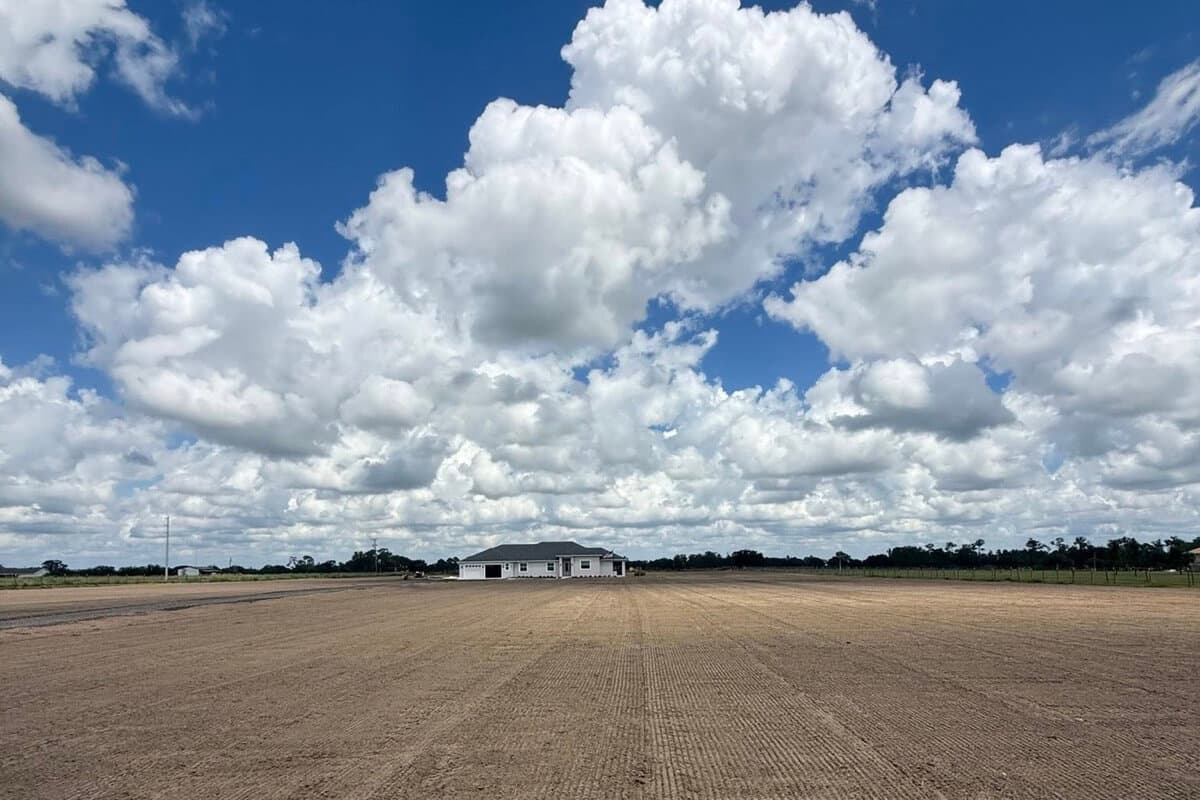
In Lakeland, you may need a permit for land clearing depending on the size of the project, the type of vegetation being removed, and what the land will be used for afterward. Some smaller or basic clearing jobs may not require permits, while larger projects, tree removal, or construction-related work often do. The safest approach is to check local requirements before starting.
If you're thinking about clearing land, one of the first concerns that usually comes up is:
"Am I allowed to do this, or do I need approval first?"
That's a smart question to ask. Permit requirements are one of the most misunderstood parts of land clearing, and getting it wrong can slow down your project or create problems you didn't expect.
The Short Answer: It Depends on the Property and the Project
There isn't a single rule that applies to every property in Lakeland.
Whether or not you need a permit depends on a few key factors:
- How much land is being cleared
- Whether trees are being removed
- The zoning of the property
- Whether the land is being prepared for construction
- Environmental conditions like wetlands or protected areas
Because of that, two similar properties can have completely different requirements.
When You May NOT Need a Permit
In some cases, property owners can perform limited clearing without formal permits.
This may apply when:
- You are clearing light brush or overgrowth
- The work is small in scale
- You are not removing protected trees
- The property is not part of a regulated or environmentally sensitive area
That said, even when permits are not required, there may still be local guidelines or restrictions to follow.
When a Permit IS More Likely Required
Permits are more likely to come into play when the scope of work increases.
Large-Scale Clearing
If you're clearing a significant portion of land, especially multiple acres, local regulations are more likely to apply.
Tree Removal
Certain trees may be protected depending on size, species, or location. Removing them without approval can create issues.
Preparing for Construction
If the land is being cleared for a home, commercial building, or other structure, permits are often part of the overall development process. Site prep for construction typically involves permitting as part of the broader build timeline.
Environmental Factors
If your property includes wetlands, protected habitats, or specific drainage conditions, additional approvals may be required before work can begin.
HOA and Neighborhood Restrictions
This is something a lot of property owners overlook.
If your property is located in a neighborhood with a homeowners association (HOA), there may be separate rules about:
- Tree removal
- Clearing visible areas
- Property appearance
Even if the city or county does not require a permit, the HOA may still have guidelines that need to be followed.
Why It's Important to Check Before You Start
It might be tempting to just start clearing, especially if the land is heavily overgrown.
But skipping this step can lead to:
- Fines or penalties
- Stop-work orders
- Delays in future construction
- Being required to restore parts of the property
Even if those situations are not common, they are avoidable with a little upfront planning.
How Most Property Owners Handle This
In most cases, the process is simpler than people expect.
Property owners usually:
- Get a general understanding of their project
- Walk the property with a contractor
- Identify whether permits or approvals may be needed
- Confirm any requirements before work begins
This approach keeps things moving without unnecessary delays.
Where Land Clearing Fits Into the Bigger Picture
Permits are often tied to what happens after the clearing.
If the goal is:
- Building a home
- Developing a property
- Installing a driveway or access road
- Improving drainage with precision land grading
Then land clearing is just one step in a larger process. Understanding that bigger picture helps make sure everything is done in the right order.
What a Contractor Should Help You Understand
A good contractor won't just focus on clearing the land. They should also be able to point out:
- Potential permit considerations
- Whether certain areas should be preserved
- If drainage or grading will be needed
- How the clearing fits into your overall plan
That kind of guidance helps avoid surprises later on.
How to Move Forward With Confidence
Whether or not you need a permit for land clearing in Lakeland comes down to the details of your property and your plans. Some projects can move forward with minimal restrictions, while others require approvals before work begins.
The most important thing is understanding where your property falls before you start. A quick walkthrough and a little upfront research can save you a lot of time and prevent issues down the road.