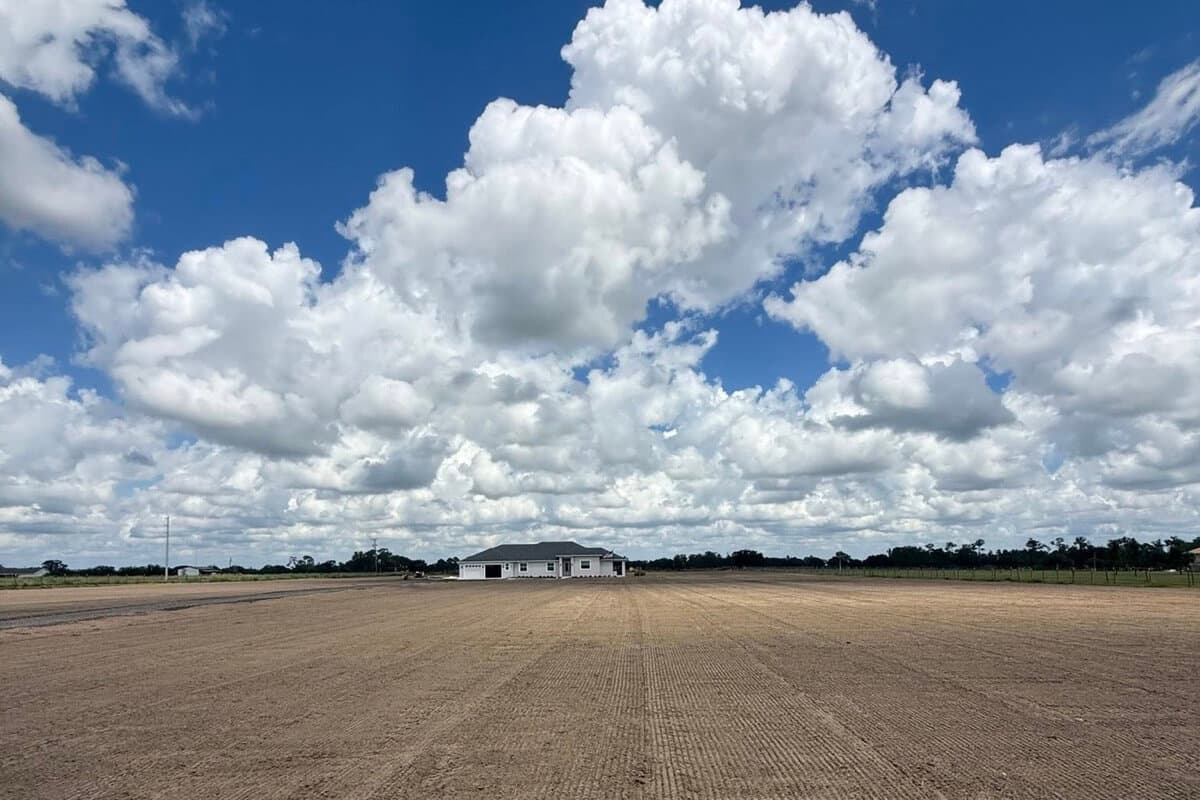
Land clearing in Lakeland is not just about removing brush, trees, or overgrowth. Before any work starts, property owners need to understand the condition of the site, how the land will be used next, whether drainage or grading may also be needed, and how easily equipment can access the property. A good land clearing project starts with a clear plan, not just a machine on the lot.
If you own property in Lakeland, there is a good chance you have looked at an overgrown lot, wooded acreage, or an undeveloped section of land and thought, "Where do I even start?"
That is a fair question. A lot of people think land clearing is simple from the outside. They picture a crew showing up, knocking everything down, and leaving behind a clean property. In reality, there is a big difference between simply removing vegetation and properly preparing a property for what comes next.
Why People Clear Land in Lakeland
Property owners in Lakeland clear land for a lot of different reasons.
Some are getting ready to build a home, workshop, barn, or commercial structure. Others want to reclaim an overgrown property, create usable open space, improve access, or clean up land they recently purchased. Some want the property to look better and be easier to maintain, while others are thinking about resale value, development potential, or the next construction phase.
The reason matters because land clearing should match the end goal.
Clearing a lot so it looks cleaner is not the same as clearing land for a building pad, driveway, drainage improvements, or future construction. The equipment, level of precision, and overall scope can change quite a bit depending on what the property needs to be ready for when the clearing is done.
Not Every Property Clears the Same
Two properties in Lakeland can look similar on paper and still be completely different jobs once you get on site.
The size of the property matters, but that is only one piece of it. A small lot with tight access, dense vegetation, and limited room for equipment can be more complicated than a larger open site. In other cases, acreage may seem straightforward until you realize the brush is thicker than expected or the terrain changes across the property.
Before starting a project, it helps to look at a few practical things:
- How dense is the vegetation?
- Are there large trees, saplings, vines, palmettos, or heavy underbrush?
- Is the property wide open or difficult to access?
- Are there fences, nearby structures, utilities, or existing features to work around?
- Does the owner want everything removed or only selected areas cleared?
- What does the land need to be ready for once the work is complete?
Those questions help define the job correctly from the start.
Access Can Change the Entire Scope of the Job
One of the most overlooked parts of land clearing is access.
A property might not be especially large, but if equipment cannot easily get in and move around, the project becomes more complicated. Narrow side yards, gates, soft ground, existing fencing, mature trees to preserve, or nearby buildings can all affect how the site is approached.
Good access usually means the work can move faster and more efficiently. Limited access often means more careful planning, different machine choices, and sometimes more time on the job.
This is one of the reasons it is hard to estimate a property accurately just from a phone call or map view. A site can look simple until someone actually walks it.
Full Clearing vs. Selective Clearing
Not every property owner wants a blank slate.
In many cases, the goal is to remove overgrowth while preserving certain trees, keeping natural privacy buffers, or opening up only the usable parts of the land. That is a different job than full vegetation removal. Forestry mulching is one approach that works well for selective clearing because it can target specific vegetation while leaving desirable trees standing.
This is an important conversation to have before the work begins. If the goal is selective clearing, the project needs more intention. It is not just about getting material off the site — it is about understanding what stays, what goes, and how the property should feel and function when the job is done.
That is especially important on residential properties, larger homesites, and rural land where owners want a balance between usability and appearance.
Why Drainage Should Never Be an Afterthought in Lakeland
A property can look cleaner after clearing and still have major issues if water movement is ignored.
In Central Florida, drainage has to be part of the conversation early, especially if the property has low areas, soft spots, standing water, or future building plans. Clearing vegetation may expose drainage issues that were already there but hidden by overgrowth. In other cases, once the brush is gone, it becomes obvious that the site will need precision land grading, swales, or other improvements before it is truly usable.
This is why land clearing and grading are often connected. Sometimes clearing is the first step, but it is not always the final step.
If you are planning to build, add a driveway, improve access, or create a stable usable area, you want to know early whether the land will also need shaping or drainage work after the clearing is complete.
Think About What Comes Next After the Clearing
A strong land clearing project is not just about removal — it is about readiness.
Property owners in Lakeland should think about what they want the land to be ready for immediately after clearing:
- A future home or building pad
- A driveway or access road
- Better drainage
- A pasture or open usable field
- Site prep for construction
- Easier long-term maintenance
- Better visibility and safer access around the property
That next step should shape the clearing plan. If the property is being cleared for future construction, the site needs to be left in a condition that supports that next phase. If it is being cleaned up for appearance and maintenance, the finishing approach may be different.
The clearer the end goal, the better the job can be planned.
A Walkthrough Is More Valuable Than a Generic Estimate
A lot of property owners want to know the cost right away, which makes sense. But before pricing, the best first step is usually a site walkthrough.
Walking the property helps identify:
- What kind of vegetation is on site
- How accessible the property is
- Whether there are drainage concerns
- Whether certain areas should be preserved
- What type of equipment makes the most sense
- Whether additional work like grading or site prep may be needed
That kind of evaluation gives the owner a much clearer understanding of the project. It also helps avoid the common mistake of underestimating what the property actually needs.
What a Good Land Clearing Partner Should Help You Understand
Before starting work, a good contractor should be able to walk the site and explain the project in plain language — not vague promises, not confusing technical talk.
You should come away understanding:
- What the property needs
- What the main challenges are
- What is included in the clearing
- What may need to happen next
- Whether the project should be phased
- What kind of outcome to expect when the work is complete
That transparency matters because it helps you make better decisions before money is spent and machines start moving.
How Lakeland Property Owners Should Get Started
Land clearing in Lakeland is about more than knocking down overgrowth. Before starting, property owners should understand the condition of the land, how the property will be used next, whether access is straightforward, and whether drainage or grading may also be part of the bigger picture.
The more clearly those things are understood at the beginning, the smoother the project usually goes. If you are looking at an overgrown property and trying to figure out the smartest next step, the best place to start is with a real evaluation of the site — not a guess from a satellite image.